Why manual power matters after a disaster
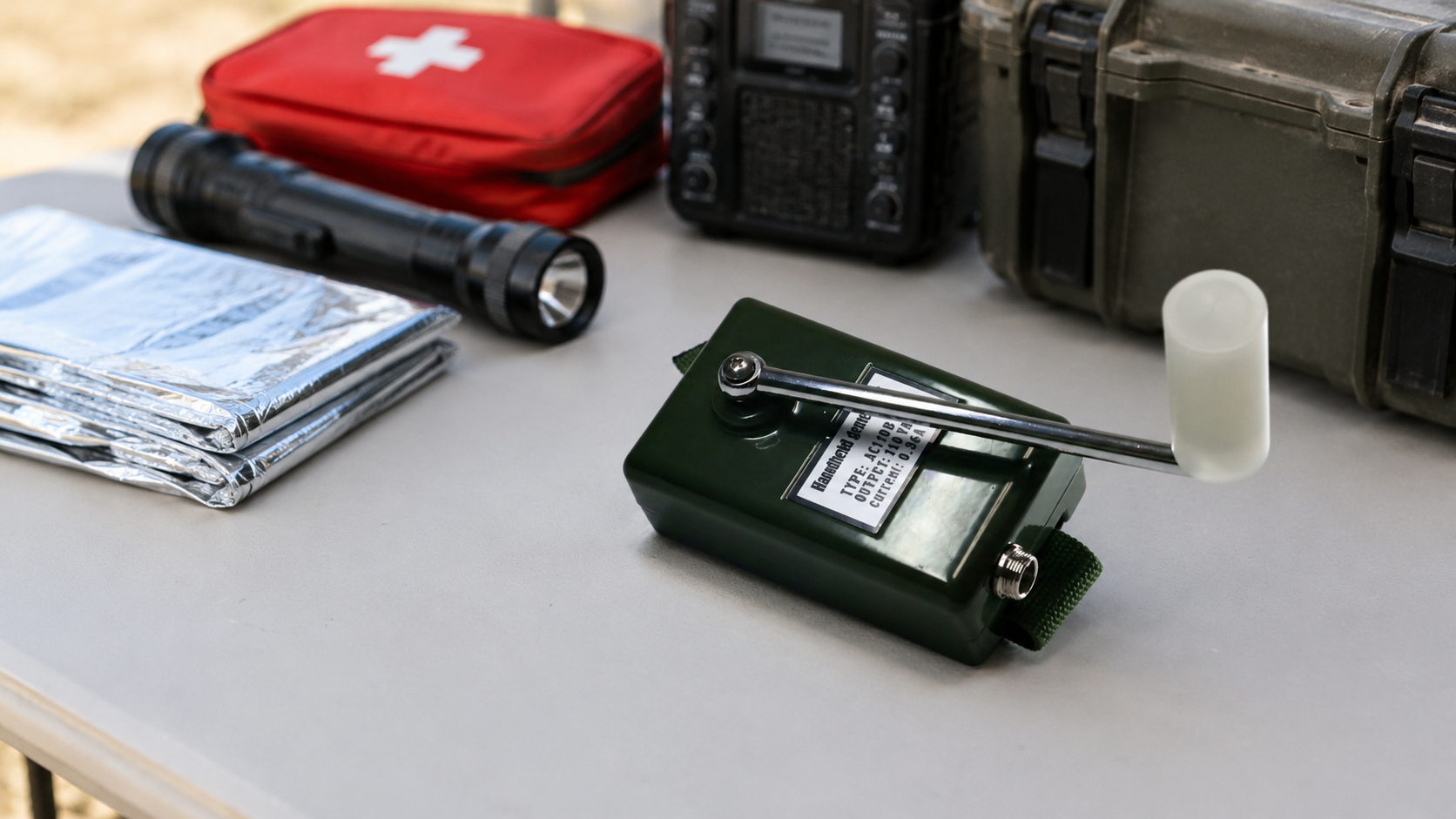
Disaster relief work often starts before stable infrastructure is restored. Batteries may be stored for too long, solar panels may be blocked by weather, and fuel logistics may be delayed. Manual power gives field personnel a simple way to generate electricity on demand. For emergency kits, rescue vehicles and reserve supplies, this makes a hand crank generator a practical complement to battery packs and larger power systems.
Key procurement requirements
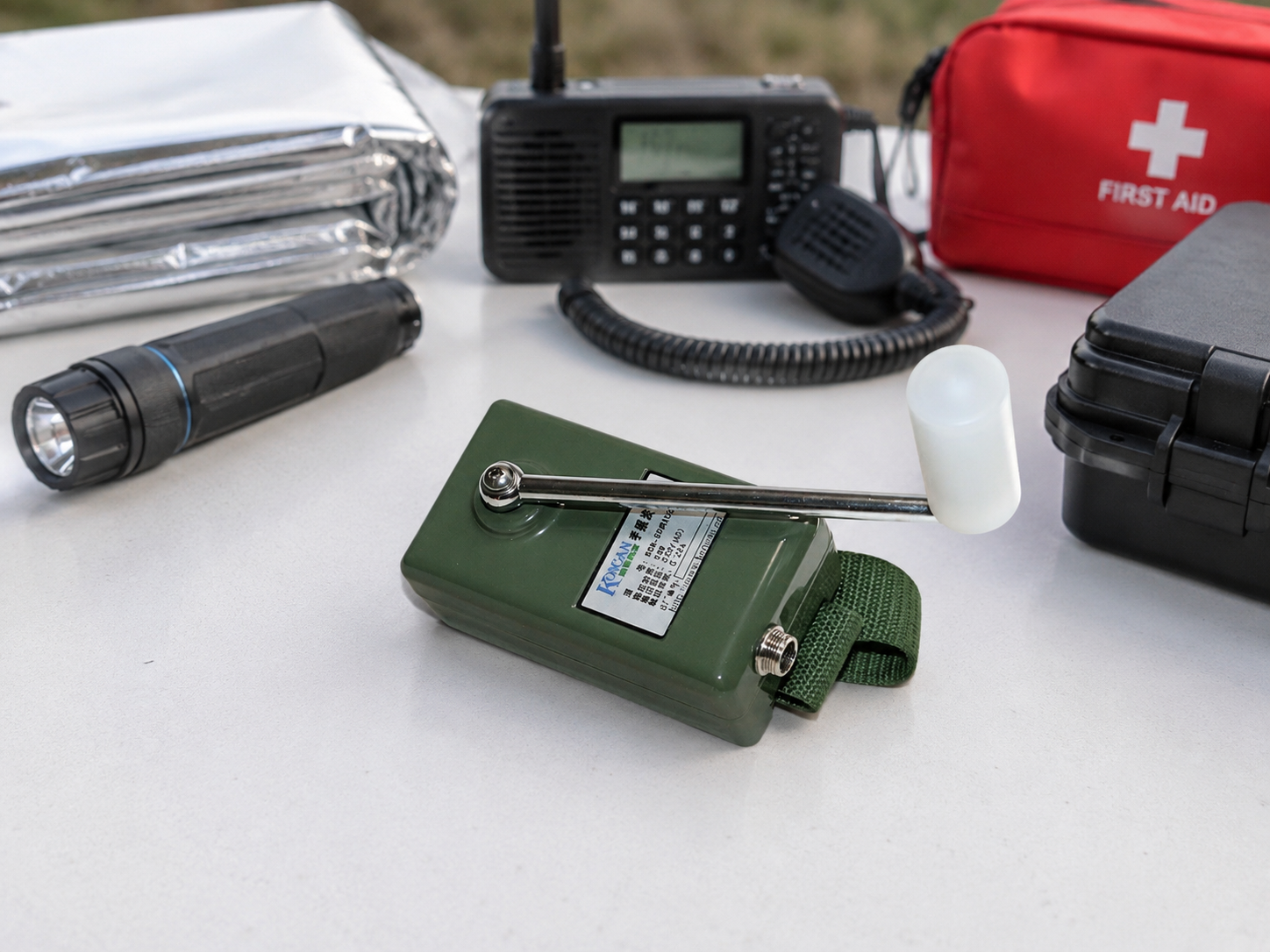
Buyers should confirm the target device, output voltage, current, connector type, expected operating time and storage environment. A generator used for emergency radios may require a different output direction than a unit used for lighting or field charging. For government reserves and relief organizations, packaging, labeling and sample testing are also important because products may stay in storage before deployment.
Recommended generator features
A suitable disaster relief hand crank emergency generator should be compact, mechanically reliable and easy to operate under stress. Stable output configuration, clear connector matching and rugged casing are more important than oversized marketing claims. For relief procurement, it is often better to define several practical configurations by use case, such as communication support, emergency lighting or portable reserve power.
How Jiedian Power supports this use case
Jiedian Power supplies hand crank generators for B2B emergency power projects, including disaster relief, emergency communication and field reserve applications. We can discuss voltage, current, connector and output direction according to the target equipment. For overseas buyers, we support sample evaluation, bulk order communication and OEM/ODM configuration for project requirements.
Suggested next steps
Before placing a bulk order, prepare a short list of target devices and operating scenarios. Share the target country, quantity, packaging requirements and any connector standards with the supplier. This allows the generator configuration to be matched to the application instead of relying on a generic product description.